
At the Sydney Colorectal Clinic, we are specialists in acute and chronic diverticulitis and the treatment options available, which include both conservative and operative approaches.
Dr Hamish Urquhart has a special interest in complex and recurrent diverticular disease and approaches the investigation and treatment of the condition holistically.
Our clinic employs a multidisciplinary approach to managing diverticulitis to ensure our patients have the best possible outcome. With a team consisting of specialists in colorectal surgery, gastroenterology, general and perioperative medicine, and patient coordinators, we are dedicated to providing evidence-based treatment plans designed to maximise success while prioritising your comfort, quality of life, and recovery.
Diverticulitis Explained
What is diverticulitis?
Diverticular disease, or diverticulitis, is a very common condition with approximately 60% of the population at the age of 60 having the condition known as diverticulosis. Diverticulosis refers to outpouchings or pockets of the large bowel, which occur at a weak anatomical point on the muscular covering of the colon. This allows the inner lining to bulge out. The bowel may have many small or large-sized diverticulums. A diverticulum can become infected or inflamed (which is when we use the term diverticulitis). 20% of patients with diverticulum will develop diverticulitis at some stage.
How is diverticulitis treated?
The treatment of diverticulitis is constantly changing. Occasionally in mild episodes, the inflammation settles by itself over a few days. Patients should keep their fluids up, take simple analgesia and rest up. If patients can have anti-inflammatories, these often help (so long as they are only taken for a short period). Antibiotics are typically used in worse cases of diverticulitis.
Some cases of diverticulitis require hospital admission. In these circumstances, Dr Urquhart will monitor inflammatory markers with blood tests and often arrange imaging of the abdomen through a CT scan or MRI. The treatment of active diverticulitis cases often requires intravenous antibiotics, an IV drip to keep your fluids levels up, and bowel rest.
Following an episode, you may need to initially be on a low-fibre diet (low roughage) to limit the material passing through the colon. Longer term, once an episode has fully settled, avoiding constipation and maintaining a high-fibre diet is beneficial. Dr Urquhart can help with nutritional advice and referral to a dietician.
Surgery for diverticulitis
In cases where the inflammation is severe or recurrent, sometimes surgery is needed. Dr Urquhart specialises in surgery for Diverticulitis.
If a patient experiences recurrent diverticulitis, constantly requires antibiotics updates for flare-ups or doesn’t fully recover from an episode of diverticulitis, surgery can often help. In this, often through a keyhole-assisted technique, surgically resecting or removing the chronically inflamed segment of the intestine can help significantly. Dr Urquhart can discuss all the different investigations and treatment options in depth during your consultation. It is quite a complex condition, and Dr Urquhart will thoroughly explain the options for treatment.

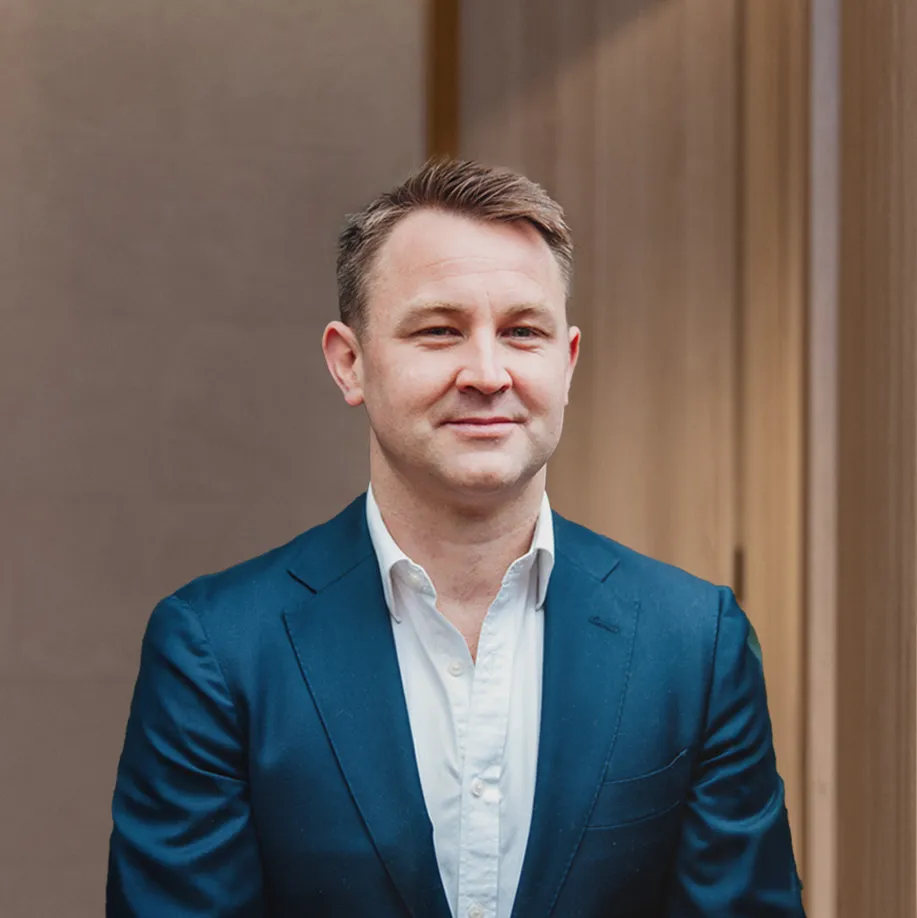
Dr Hamish Urquhart
Director of the Sydney Colorectal Clinic & Specialist Colorectal Surgeon
Dr Hugh Giddings
Specialist Colorectal & General Surgeon

Dr Claire Keenan
General Medicine & Perioperative Physician

A/Prof Craig Haifer
Gastroenterologist & Hepatologist

Dr Ian Lockart
Gastroenterologist & Hepatologist

Aman Kaur
Practice Nurse

Dr Hamish Urquhart is a leading specialist colorectal surgeon who is dedicated to providing evidence-based and compassionate care. With advanced surgical skills and a patient-focused approach, he ensures the best possible outcome for every individual.
At Sydney Colorectal Clinic, expert medical support is integral to safe and successful treatment.



Contact our Team
Multidisciplinary Expertise
A team of specialists ensuring optimal care.
Personalised Treatment Plans
Tailored therapies to meet individual needs.
Comprehensive Patient Support
Guidance through every stage of treatment.
