At the Sydney Colorectal Clinic, we provide expert, patient-centred care for people diagnosed with Inflammatory Bowel Disease. Whether you are newly diagnosed, seeking a second opinion, or exploring treatment options, our experienced team is here to support you at every stage of your journey.
Crohn’s disease and Ulcerative Colitis are both types of inflammatory bowel disease (IBD) that cause chronic inflammation in the digestive tract. While they share many similarities, they also have distinct differences. Crohn’s disease can affect any part of the gastrointestinal tract from the mouth to the anus, often with healthy areas in between inflamed spots. Ulcerative Colitis, on the other hand, is limited to the colon and rectum, with continuous inflammation and ulcers in the innermost lining of the colon.
IBD Explained
Signs and Symptoms of IBD
Patients with Crohn’s disease and Ulcerative Colitis may experience a range of symptoms, including:
- Abdominal pain and cramping
- Diarrhea or constipation
- Urgent need to have a bowel movement
- Rectal bleeding or blood in the stool
- Bloating and gas
- Weight loss and fatigue
- Fever
- Night sweats
- Reduced appetite
Causes and Risk Factors for IBD
The exact cause of Crohn’s disease and Ulcerative Colitis is unknown, but several factors may contribute to their development:
- Genetic predisposition
- Immune system malfunction
- Environmental factors including diet and lifestyle
- Smoking (particularly for Crohn’s disease)
- Family history of IBD
Diagnosis of IBD
Diagnosing Crohn’s disease and Ulcerative Colitis typically involves a combination of tests and procedures, including:
- A thorough history and physical examination
- Blood tests to check for inflammation
- Stool tests to rule out infections
- Colonoscopy to examine the colon and take tissue samples
- Imaging tests such as bowel ultrasound, CT scans or MRIs to assess the extent of inflammation
Treatment Options for IBD
The treatment of these 2 conditions overlap and our multidisciplinary team will personalises the therapy taking a holistic approach leading to the best possible outcomes.
- Medications to reduce inflammation and suppress the immune system. There are lots of options available and our expert team will be able to discuss all options including their benefits, risks and potential impact on you.
- Nutritional support and dietary changes in order to improve your microbiome and ensure you can get enough energy to life your day-to-day life to the fullest.
- Surgery to remove damaged portions of the digestive tract in more severe cases
- Ongoing monitoring using non-invasive tests such as bowel ultrasound and calprotectin to support to manage symptoms and maintain remission.
Our IBD team consists of specialists in gastroenterology, colorectal surgery, pelvic health physiotherapy and general medicine, all working together to provide the best possible outcome for our patients. Our specialists are members of the St Vincent’s Hospital Inflammatory Bowel Disease Multi-Disciplinary Team and can coordinate your care using a holistic, evidence-based approach.

Dr Hamish Urquhart
Director of the Sydney Colorectal Clinic & Specialist Colorectal Surgeon
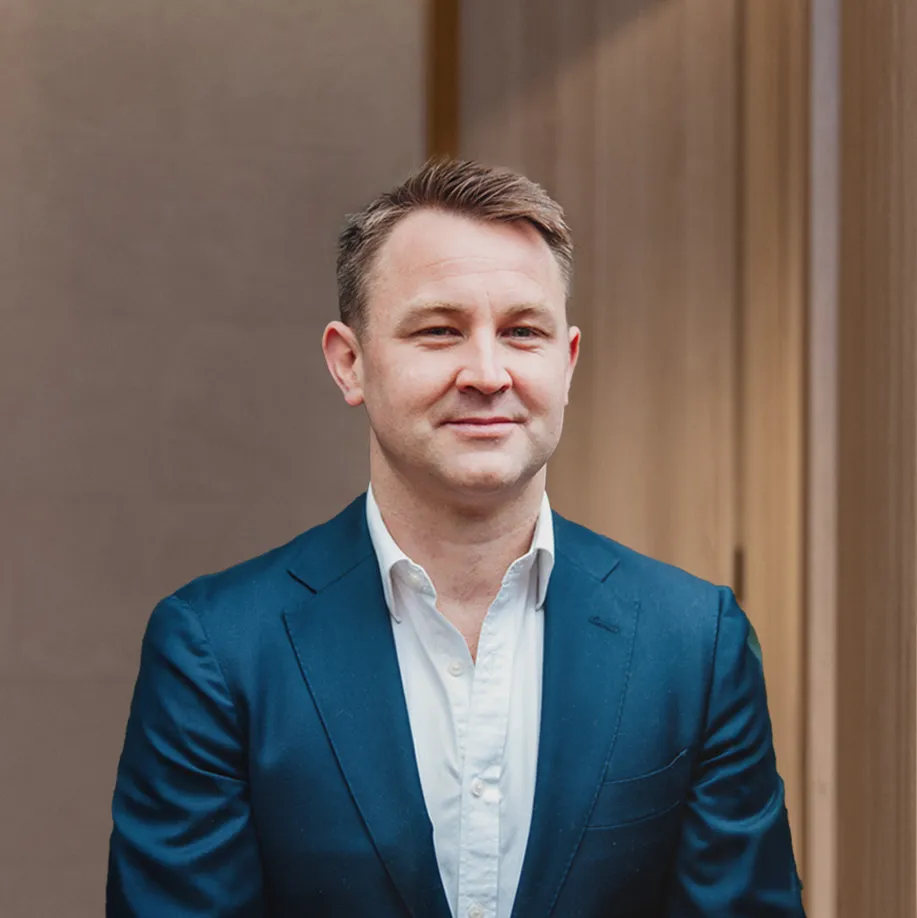
Dr Hugh Giddings
Specialist Colorectal & General Surgeon

A/Prof Craig Haifer
Gastroenterologist & Hepatologist

Dr Ian Lockart
Gastroenterologist & Hepatologist

Dr Claire Keenan
General Medicine & Perioperative Physician

Dr Angela James
Specialist Pelvic Health Physiotherapist

Giulia Casson
Pelvic Health Physiotherapist

Aman Kaur
Practice Nurse

Isabelle (Issi)
Practice Nurse & Surgery Coordinator for Dr Urquhart
Contact our Team
Multidisciplinary Expertise
A team of specialists ensuring optimal care.
Personalised Treatment Plans
Tailored therapies to meet individual needs.
Comprehensive Patient Support
Guidance through every stage of treatment.